
Lighting Design in Architectural Projects and Its Effects on Interior Atmosphere
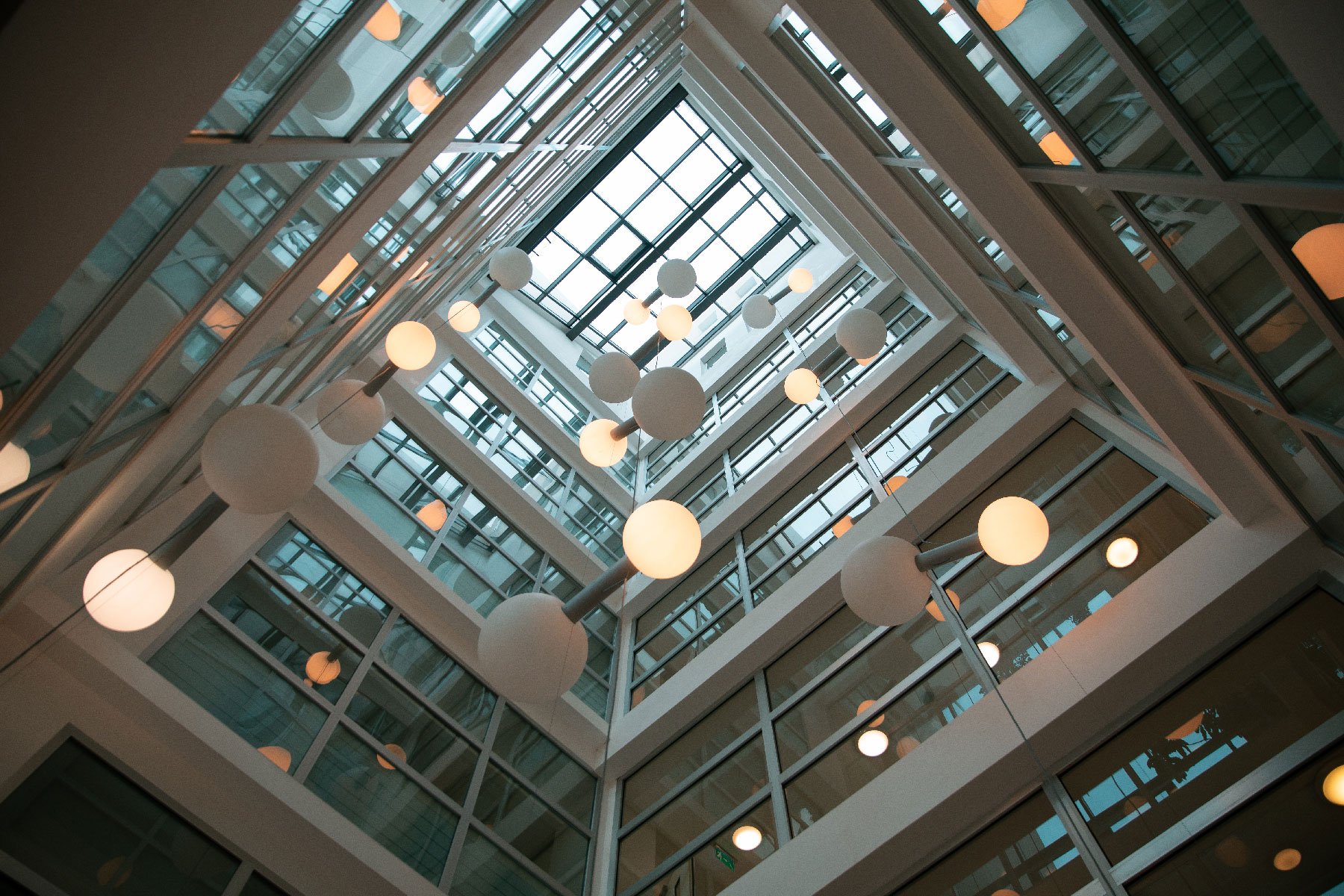
❝Discover the effects of proper lighting design on interior atmosphere in architectural projects and key planning considerations.
Lighting design in architectural projects does more than just ensure visibility; it is a critical element that directly affects the interior atmosphere, user psychology, and overall perception of the space. Proper lighting strategies complement structural design, bringing aesthetics and functionality together at the highest level.
Core Approaches in Architectural Lighting
Success in interior lighting relies on the balanced blending of artificial and natural light. Lighting schemes considered from the planning stage of architectural projects alter the volumetric sense of the space. Strategically directed light sources highlight focal points while enhancing user comfort.
Effects on Interior Atmosphere and Psychology
The color, intensity, and placement of light have a distinct impact on human psychology. Warm lighting tones create a more relaxing and intimate environment, whereas cooler tones are preferred in workspaces requiring concentration. Selecting the appropriate color temperature for the function of the space during the architectural design process directly transforms the spatial experience.
Integration of Natural Light
Maximizing natural light is essential for a sustainable and comfortable interior. Window placements, atrium voids, and glass facade decisions reduce artificial lighting costs while supporting circulation and spaciousness within the space.
Functional and Aesthetic Balance
When designing a lighting scheme for a space, three fundamental layers are taken into account:
- Ambient Lighting: Provides a uniform field of vision throughout the space.
- Task Lighting: Supports concentration in areas where specific activities take place.
- Accent Lighting: Highlights architectural details, artworks, or special textures.
Planning these layers comprehensively prevents a flat and monotonous appearance, adding depth to the space.
Holistic Approach in the Design Process
Lighting design should be shaped through the collaboration of interior architecture and engineering disciplines. Ensuring that the electrical infrastructure is compatible with the fixture layout prevents visual and technical discrepancies during the implementation phase. This meticulous approach, maintained from design to on-site application, ensures that projects reach their target aesthetic and functional standards.