
Sustainability and Energy Efficiency Approaches in Architectural Projects
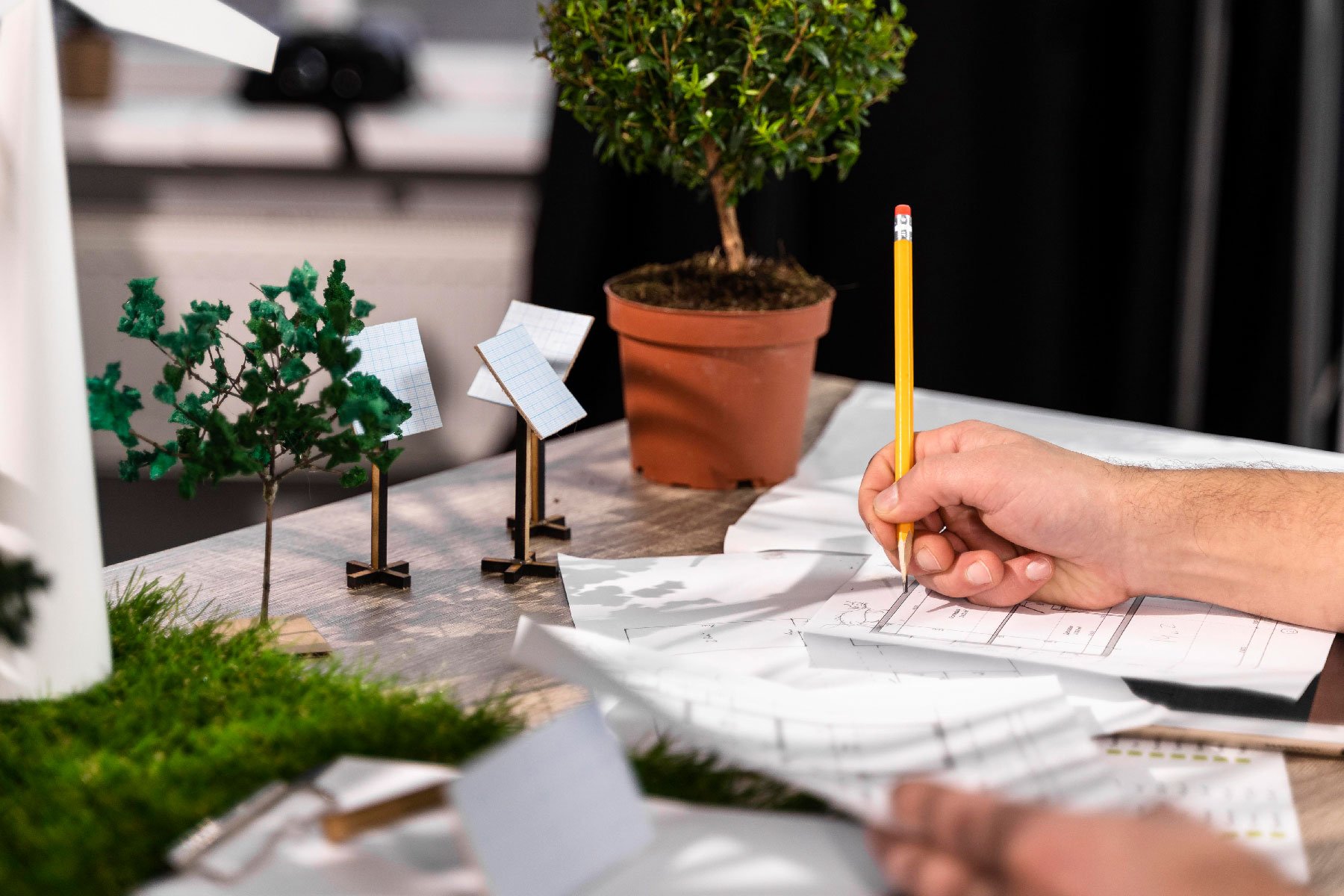
❝Professional insights on sustainability principles, energy efficiency, and eco-friendly design approaches in architectural projects.
Sustainability in architectural and engineering projects has become one of the fundamental approaches of today's construction sector. Making environmentally conscious decisions from the design stage onward not only helps preserve natural resources but also optimizes the long-term energy costs of buildings. Energy-efficiency-focused projects require a holistic perspective that harmonizes aesthetics and functionality with environmental responsibility.
Core Principles of Sustainability in Architectural Design
Sustainable architecture goes beyond merely reducing a building's energy consumption; it also encompasses a broad process ranging from the material life cycle to land use. Analyzing local climatic conditions during the design phase plays a critical role in minimizing the energy spent throughout the building's lifespan. Proper orientation and massing decisions ensure that the building maximizes natural climate control and lighting opportunities.
Material selection forms another important pillar of sustainability. Prioritizing low-carbon, recyclable, and locally sourced materials during production directly shrinks the ecological footprint of the construction industry. Architects and engineers design long-lasting structures by considering criteria such as durability and ease of maintenance in their material choices.
Integration of Design and Engineering in Energy Efficiency
For a building to achieve high energy efficiency performance, architectural design and mechanical engineering must work in coordination from the early stages. Insulation details, facade systems, and the thermal properties of windows are the primary elements determining a building's energy losses. With correct detail solutions, heating and cooling energy demands can be significantly reduced.
The main structural approaches that provide energy savings include:
- Designing exterior insulation systems suitable for climate data
- Window ratios and orientations that maximize solar gains
- Plan layouts that enhance natural ventilation potential
- Infrastructure compatibility for high-efficiency mechanical and lighting systems
Adaptation of Renewable Energy Sources in Projects
In modern engineering approaches, it is of great importance for a building to generate its own energy or balance its consumption. Integrated solutions such as solar energy systems, cogeneration units, and gray water recycling systems enhance the environmental performance of projects. However, it is essential that these systems are compatible with the architectural language of the building and engineered with accurate calculations during the implementation phase.
The integration of renewable energy systems into a project involves the following stages:
- Conducting solar radiation analyses on roof and facade surfaces
- Determining system capacity matching the building's energy load profile
- Designing mechanical and electrical infrastructure according to system requirements
- Establishing performance monitoring and control mechanisms post-implementation
Quality and Detail Solutions in Field Application
The translation of designed energy efficiency and sustainability principles from paper to reality is directly related to precision in field application. Correctly executing application details on the construction site, preventing thermal bridges, and ensuring insulation continuity determine the project's success. Field inspections by engineering and architectural teams guarantee that theoretical calculations align with practice.
In conclusion, sustainability and energy efficiency in architectural projects are not temporary trends, but rather core disciplines for constructing livable environments of the future. Through proper planning, qualified engineering, and conscious material usage, it is possible to create structures that are both environmentally friendly and economical.